Why this matters now.
Zambia's copper sector is entering its most significant investment cycle in decades. The country produced a record 890,346 metric tonnes in 2025, up 8% on 2024, and is targeting over 1 million tonnes in 2026, with a national ambition of 3 million tonnes by 2031. KoBold Metals, backed by Bill Gates and Sam Altman, broke ground on the $2.3 billion Mingomba mine on 28 April 2026, presided over by President Hichilema. At 1,700 metres depth, Mingomba will be one of the world's deepest and highest-grade copper mines, producing 300,000+ tonnes annually. Luanshya Copper Mine, idle for over two decades, is targeting an August 2026 restart after 87.9 million cubic metres of flood water were pumped out, with a $710M redevelopment targeting 100,000 tonnes annually by 2030. BHP confirmed large-scale copper exploration interest in Zambia in April 2026. Mawadco Africa's Lusaka-based operations are positioned to participate in this cycle through Shiwa Mawadco Mineral Resources Ltd.
Copperbelt investment cycle
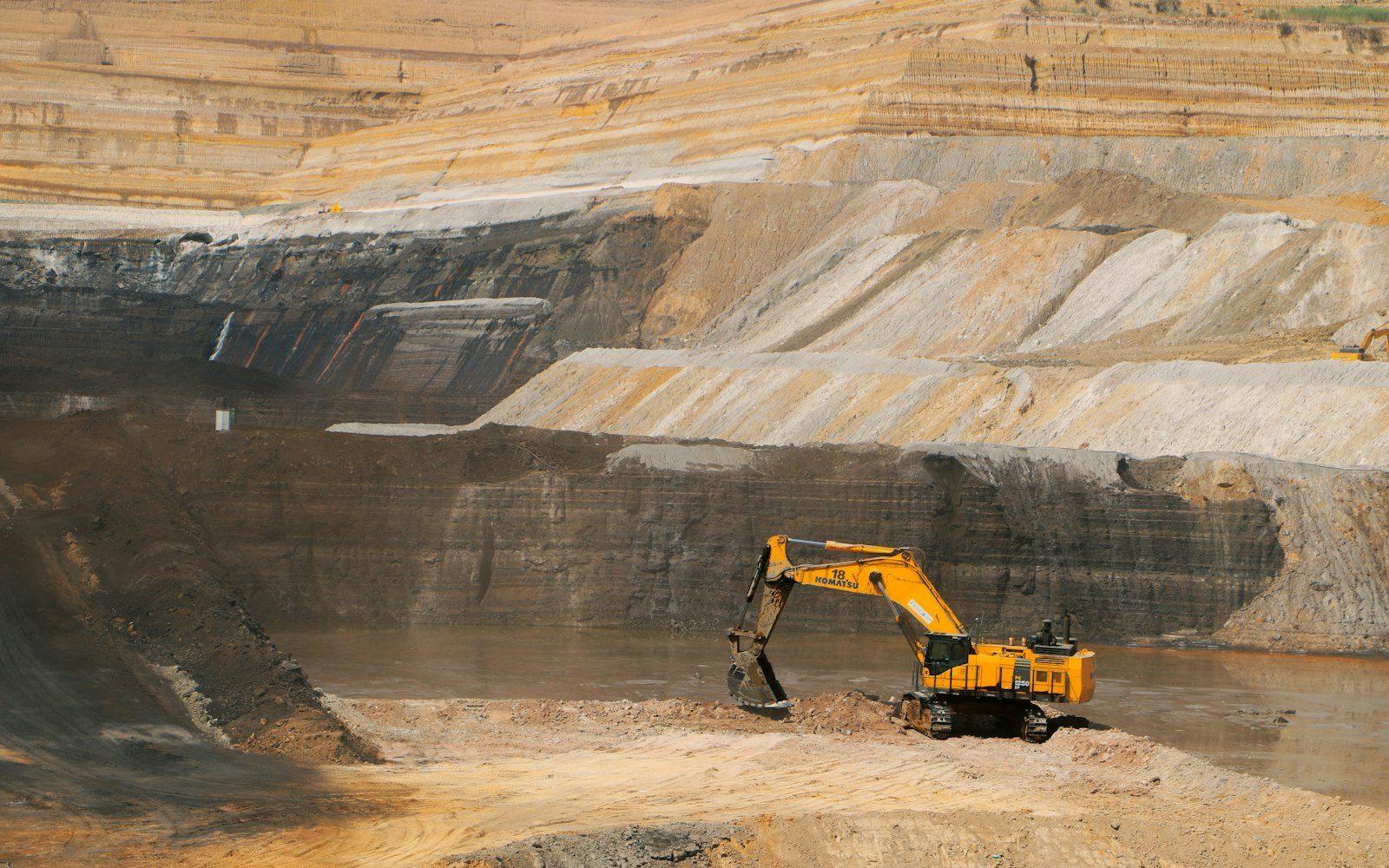
Zambia's Copperbelt is at the centre of a structural re-rating. President Hichilema's government has attracted $12 billion in mining investment commitments since 2022, and the pace is accelerating. KoBold Metals — the AI-powered exploration company backed by Bill Gates, Sam Altman, and major institutional investors — held its Mingomba groundbreaking ceremony on 28 April 2026. At 1,700 metres depth, Mingomba will be one of the world's deepest and highest-grade copper mines, with projected output exceeding 300,000 tonnes per year once fully operational. Zambia is simultaneously negotiating to raise its ZCCM-IH stake from 20% to 25%, signalling intent to capture greater sovereign value from the development. First Quantum Minerals' $1.25B Kansanshi expansion and Barrick Gold's multi-billion dollar Lumwana expansion are adding near-term production increments ahead of Mingomba's first copper in the early 2030s.
The Luanshya Copper Mine restart adds an immediate supply increment. After more than two decades of inactivity and a major dewatering program (87.9 million cubic metres pumped out as of late March 2026), the upper mine is targeting first production in August 2026. A $710M redevelopment program covering the 28 Shaft targets 100,000 tonnes of annual output by 2030. For operators with logistics and offtake coordination infrastructure already in place on the Copperbelt, these project milestones represent direct commercial entry points.
Supply tightness and commercial positioning
Zambia's production growth is unfolding against a backdrop of near-term processing tightness. Two of Zambia's largest copper smelters — Mopani (40–45 day shutdown) and Chambishi (60-day shutdown) — are planning extended maintenance closures in 2026, double the standard 30-day protocol. Disruption to global sulphuric acid supply, partly attributable to the Iran conflict's impact on chemical trade flows, is compounding pressure on Copperbelt processing capacity. For traders and offtake buyers, this creates a structural premium on supply partners with established logistics, documentation discipline, and direct Copperbelt site access.
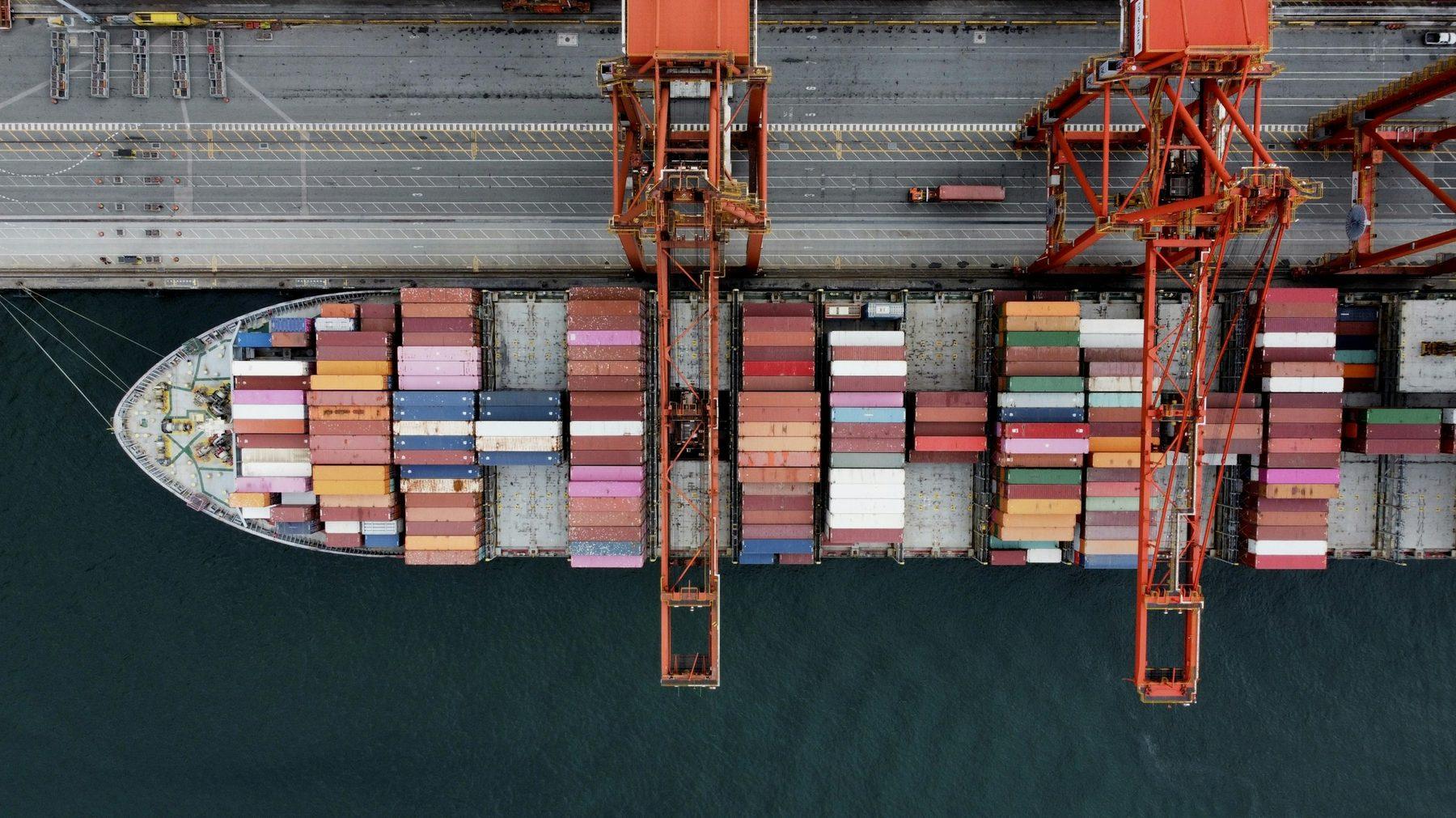
Mawadco Africa's Zambia platform is built around that buyer requirement. The company's Copperbelt presence — operating through Shiwa Mawadco Mineral Resources Ltd, headquartered in Lusaka — focuses on grade-verified material flow, chain of custody documentation, and export pathway coordination from Copperbelt sites to Dar es Salaam and Durban port channels. As BHP, Ivanhoe, KoBold, and new entrants increase activity in the region, demand for reliable, documentation-first trading partners operating on the ground in Zambia is rising in step.
Mawadco Africa publishes operational and market updates as programs develop. Media and partner enquiries: info@mawadco-africa.com or africa@mawadco.com